Blog Archives
Happy Monday!
Now it’s time to get real about the new home of soccer (or footballing) superpower Real Madrid.
Even as a Bayern Munich fan: Wow.
It doesn’t surpass the Allianz Arena–for which I have firsthand experience seeing a Champions League game–but the vision is impressive nonetheless.
The Spanish club recently revealed its plans for a new Bernabéu Stadium via state of the art upgrades as seen through a dramatic video tour featured below. Designed with a capacity of 80,000 fans, complete with cool technological features, the new Bernabéu is an awe-inspiring sight of the future for sports stadiums that can be appreciated by soccer fans and non-soccer fans alike.
Bottom line: Can Real Madrid and Zinedine Zidane win in the post-Cristiano Ronaldo era? That’s the real question that will determine the future of Real Madrid.
Have a Better Week Than Last Week.
Tim Cook’s A(pple)+
It was fitting for Apple, Inc.’s brass to present its “+” services in the Steve Jobs Theater in northern California. That “one more thing” addition at the end of those now iconic Steve Jobs presentations from yesteryear is thankfully ingrained in the cultural and innovative DNA of Apple. And after recent years of veritable coasting regarding the popular yet technologically and stylistically static iPhone, iPad and the like, Tim Cook’s Apple needed to make an imaginative splash that would generate new curiosity and excitement.
The details from Apple’s big event yesterday are limited. However, the potential of the new services and the industry leaders creating with the innovative tech giant is enough of a headline and opening statement to quench our thirst for now. Here are the highlights of Apple’s big day.
Apple gets an A+ for recruiting top talent to join its streaming video service via future TV and film offerings. Above all, Steven Spielberg’s partnership with Apple is truly special.
Speaking of Mr. Spielberg, it should be noted that some people are criticizing the famed director because of his recent stand against Netflix films being nominated for Academy Awards without a long theatrical release are misguided in their criticism.
By the way, Mr. Spielberg is 100% correct in his view.
During his presentation yesterday, the Academy award winner did not advocate for films on Apple’s new streaming service to be eligible for Academy Awards. He did not mention anything of the sort. All he discussed is the exciting potential for creating new stories on its expanded video streaming platform, which is in concert with his recent comments that great TV shows and movies are being made today on many different platforms.
Just needed to offer a quick and necessary defense of Steven Spielberg because of the fact that details matter. And the details concerning all of the new Apple + services will ultimately determine the future success of Tim Cook’s Apple in a variety of areas during the next five to 10 years.
What Apple did yesterday at its March 2019 event was prove it can still surprise with excitement.
And we can take that to the bank like never before.
Connecting the Dots of Real Facial Recognition
On Saturday mornings from my childhood, I recall NBC commercials that would feature the now-famous network slogan, “The more you know” with a shooting star graphic that would promote a pleasant, knowledge-centric call to action for its weekend viewers. The commercials were positive and nice. The following video isn’t from NBC. Regardless, this fun, insightful story regarding the Wall Street Journal answers a question many of us have but probably allow to fade to the back of our minds.
This is where Jimmy’s Daily Planet comes into play with a random yet concrete answer to a daily artistic venture involving one of the country’s primary sources of news.
I’ll let you draw your own conclusions, however time-consuming.
There are some things a computer and evolving technology just can’t do with the same unique, individual precision and artistry of a human being. Could a computer program do a stipple drawing? Of course. But that also means a computer could technically be programmed to produce works of art in a variety of styles that would qualify for high-end galleries in cities all around the world.
Consequently, that would take the artistic revelations and cultural pivot points à la Vincent van Gogh’s “Starry Night”–among countless other artistic masterpieces–out of the mix.
The process behind the stipple drawing was the introductory level of this blog post. The second–and equally important level for consideration–is the value of people and their talents in the ever-evolving reality centered on the debate of humans vs. machines/technology in the modern workforce. What will societal and business influencers decide in the coming years for a myriad of industries concerning this vital debate?
Is now a good time to insert a reference to the show ‘Westworld’ as a fun yet oddly relevant futuristic extreme of this dilemma?
Your answer to the non-‘Westworld’ question–asking ourselves what influential leaders will prioritize in the value of human skill sets vs. convenient technology in the future–begins with whether you think this story about how the iconic stipple drawings are created for the Wall Street Journal holds any value as the subject of a story livelihood.
The more we know depends on how we connect the dots today that will ultimately reveal a clear(er) picture of our future relative to living with (and, in some cases, competing with) burgeoning technology in a modern society that is increasingly streamlined and simplified with cheaper and faster technological alternatives.
Apple Needs a 20/20 Vision
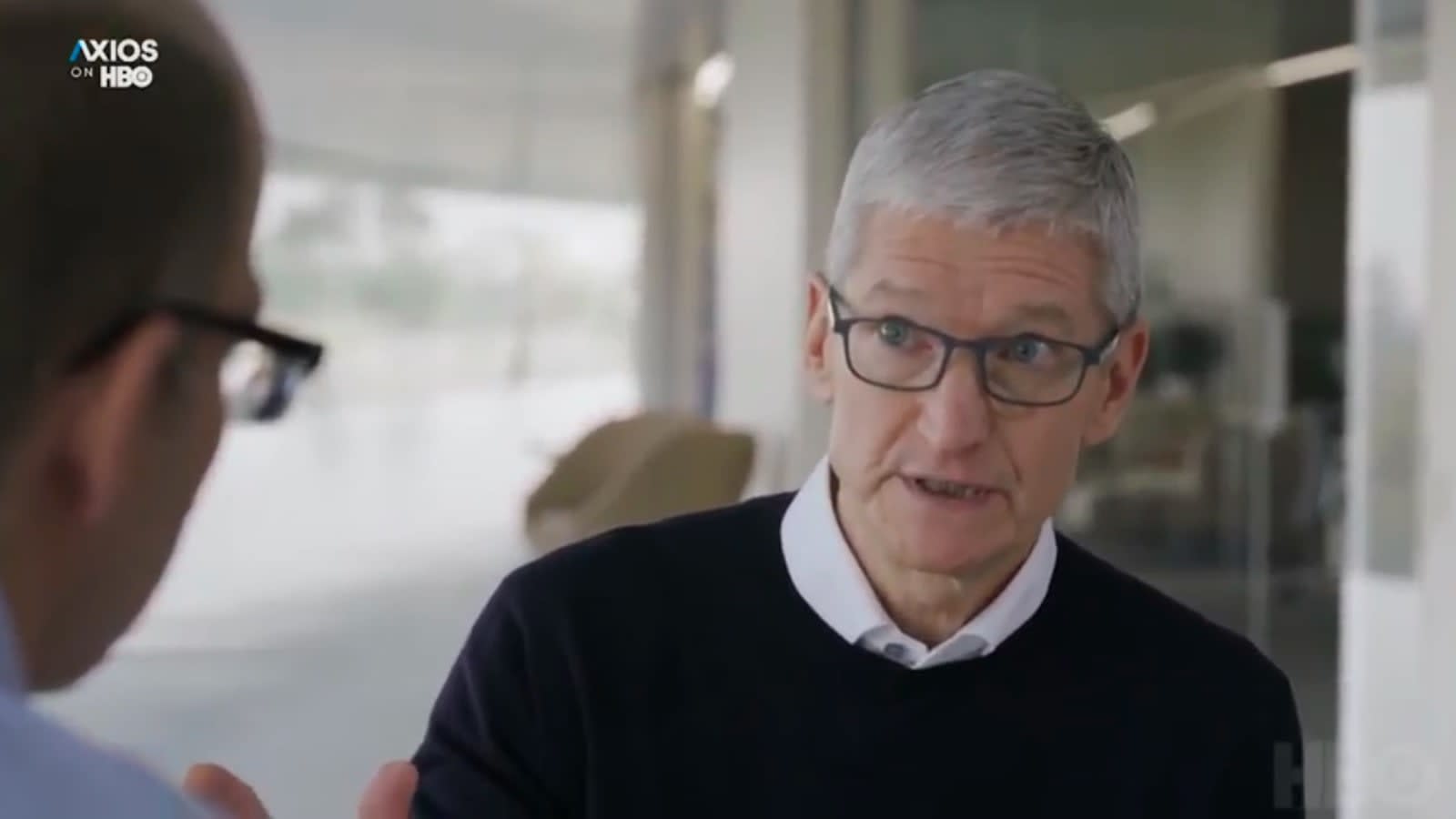
Coupled with recent news of the viral FaceTime bug, the opening paragraphs of a CNN article titled “It’s clearer than ever Apple’s iPhone problem isn’t going away” by Seth Flegerman clarified the slightly sinking feeling surrounding the smartphone and tech giant during the past few years.
Apple’s iPhone business is in decline — and there appears to be no end in sight.
Apple (AAPL) said Tuesday that iPhone revenue for the all-important holiday quarter fell 15% from the same period a year ago, a steep drop for a product line whose sales growth defied gravity for years.
The shrinking iPhone sales led to Apple’s first holiday quarter revenue decline since 2000. Apple posted revenue of $84.3 billion for the quarter, slightly better than it had warned investors to expect earlier this month. But it nonetheless represented a 5% decline from the same quarter a year ago.
When will that Steve Jobs aura and thrilling innovation return to the stage of the Steve Jobs Theater? Will it ever return?
To be fair to Tim Cook, running Apple’s company in the traditional sense parallel with the company’s global branding phenomenon created in large part by Steve Jobs, was an impossible task.
Mr. Jobs was a brilliant showman and Mr. Cook is a good businessman.
Mr. Jobs was a dynamic innovator (idea wise, anyway) and Mr. Cook is good at extending existing innovation with minor upgrades.
And it seems these minor tech upgrades have finally materialized into not-so-minor revenue loss for Apple regarding the steadily-modified iPhone. This uneasy feeling of Apple’s shortcoming from its absence of any eye-opening, drastic changes to its smartphone has been hovering over Apple’s Silicon Valley home for years. Similar to its new spaceship-like headquarters, it went from just a thought to a growing reality on the ground. But it’s not the close encounter with reality Apple workers and fans alike were hoping to see.
What does this mean for Apple? Tim Cook?
Simply put, Apple and Tim Cook are at a pivot point in which they need to decide what kind of tech company they are going to be moving forward. Mr. Cook and Co. need to determine and put into action whether Apple will be an exciting and innovative company again or a tech giant that delivers on a past vision of ingenuity.
Perhaps it’s fitting that in a few years when Apple’s response (and identity) to this significant revenue decline can be fairly judged as a success or failure, the year that may very likely define Apple’s rise, fall or stagnation for the next generation will be 2020.
 Jimmy's Daily Planet